Xiaomi
Xiaomi is the brand where reading the exact model name matters most. The company sells under several names — Xiaomi, Redmi, and POCO — and the same hardware regularly appears under two of them in different countries. A Redmi Note sold in India can be a POCO model in Europe with a different name and a slightly different camera. Because of that, we catalogue phones under the name we list on the page and tell you to match the model number, not the marketing name, when you shop.
The line-up runs roughly like this. The numbered Xiaomi series (Xiaomi 15, 15 Pro, 15 Ultra) is the flagship line, with Ultra as the camera-first top model. Redmi Note is the high-volume mid-range. Redmi plain-numbered phones are budget. POCO is positioned as the performance-per-price line, typically pairing a strong chipset with cuts elsewhere — often the display glass, the ultrawide camera, or the software update commitment.
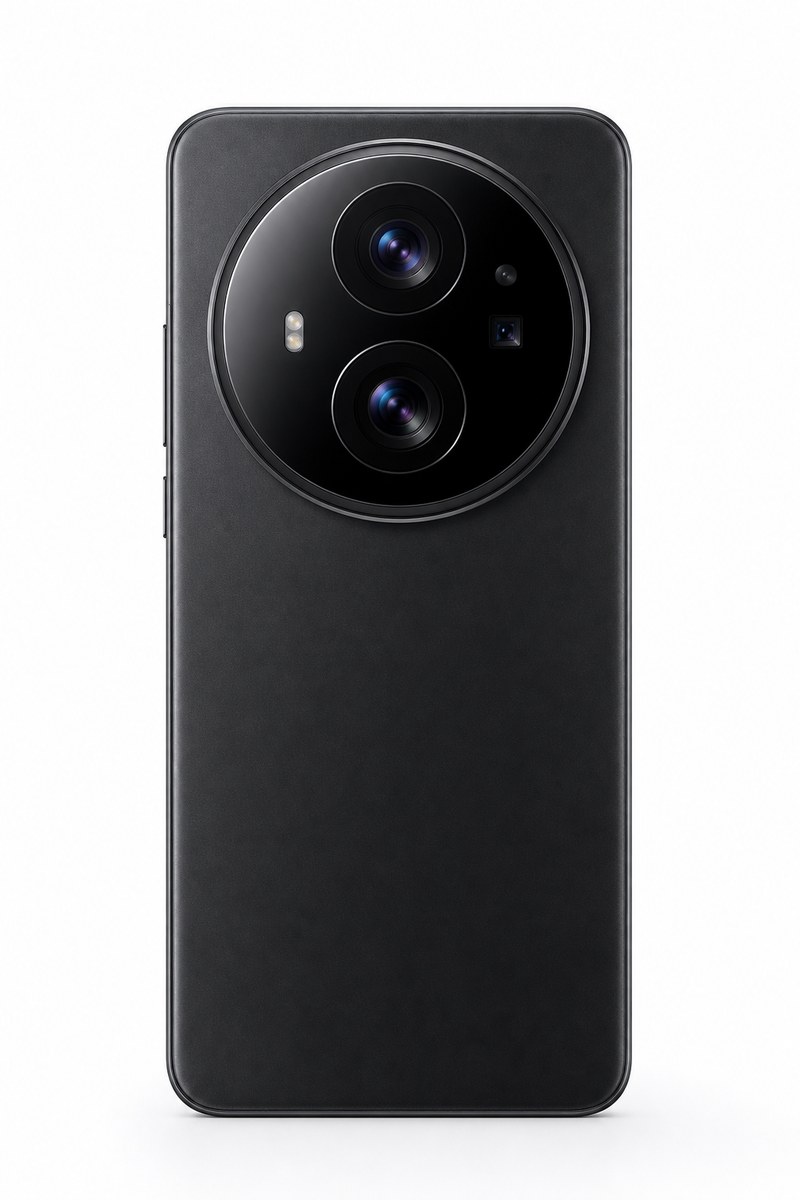
Xiaomi competes hardest on three numbers you can see on a spec table: charging speed, battery capacity, and camera hardware. Wired charging at 90 W or 120 W is normal on the flagships, which is two to four times what US and European flagships list. The Ultra models carry Leica branding, which is a tuning and colour-science partnership rather than Leica sensors or Leica-manufactured glass — worth knowing before you read the co-branding as a hardware claim.
HyperOS is Xiaomi's Android layer, replacing the older MIUI. It looks and behaves quite differently from Pixel Android, and regional builds differ: the Chinese ROM ships without Google services, while the global ROM includes them. A phone imported from China is not the same software product as the global model, even when the hardware is identical.
Charger-in-box rules also vary by region, so a 90 W charging figure on our sheet is the supported peak, not a promise that a 90 W brick is in the carton you receive.
Software update commitments are the clearest place Xiaomi still trails Samsung and Google. Flagship policies have improved substantially in recent generations, but Redmi and POCO models receive shorter windows and slower delivery, and the policy differs between the global and Chinese builds of the same phone. Check the figure for the exact model and region rather than assuming the flagship policy applies down the range.
We list RAM and storage combinations as announced by the manufacturer; retailers may stock only one of them. This site does not sell Xiaomi, Redmi, or POCO devices, and converted prices are display-only estimates.