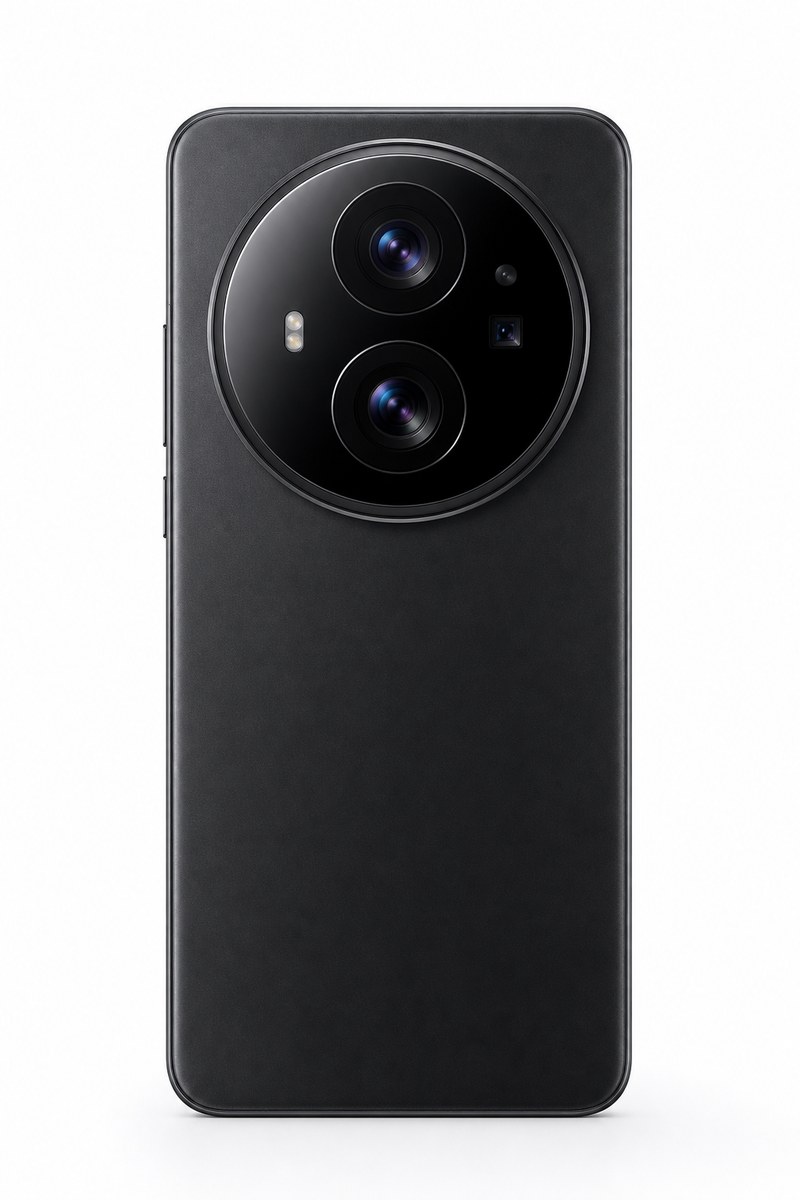
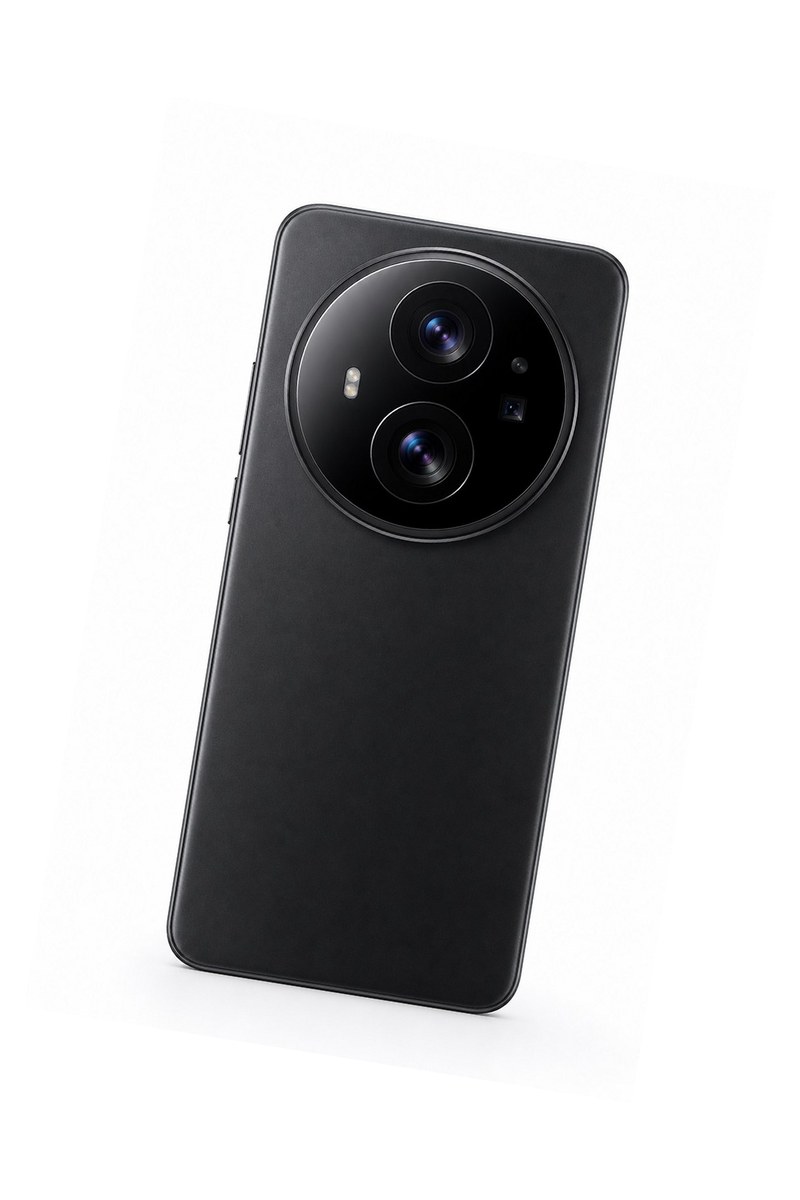
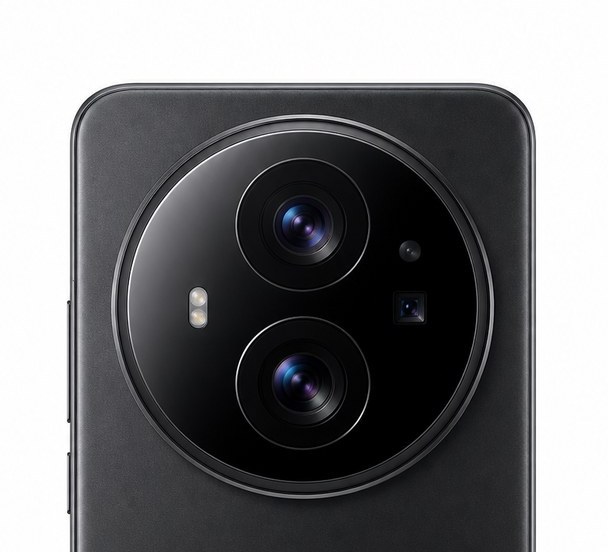
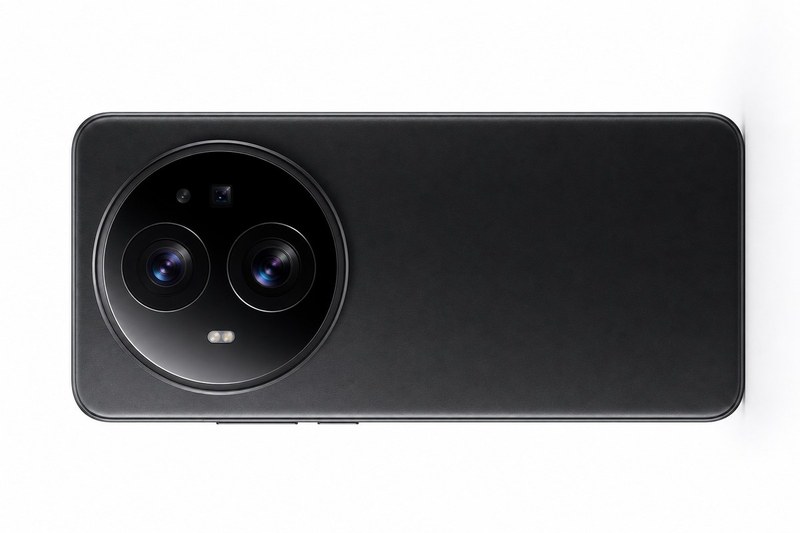
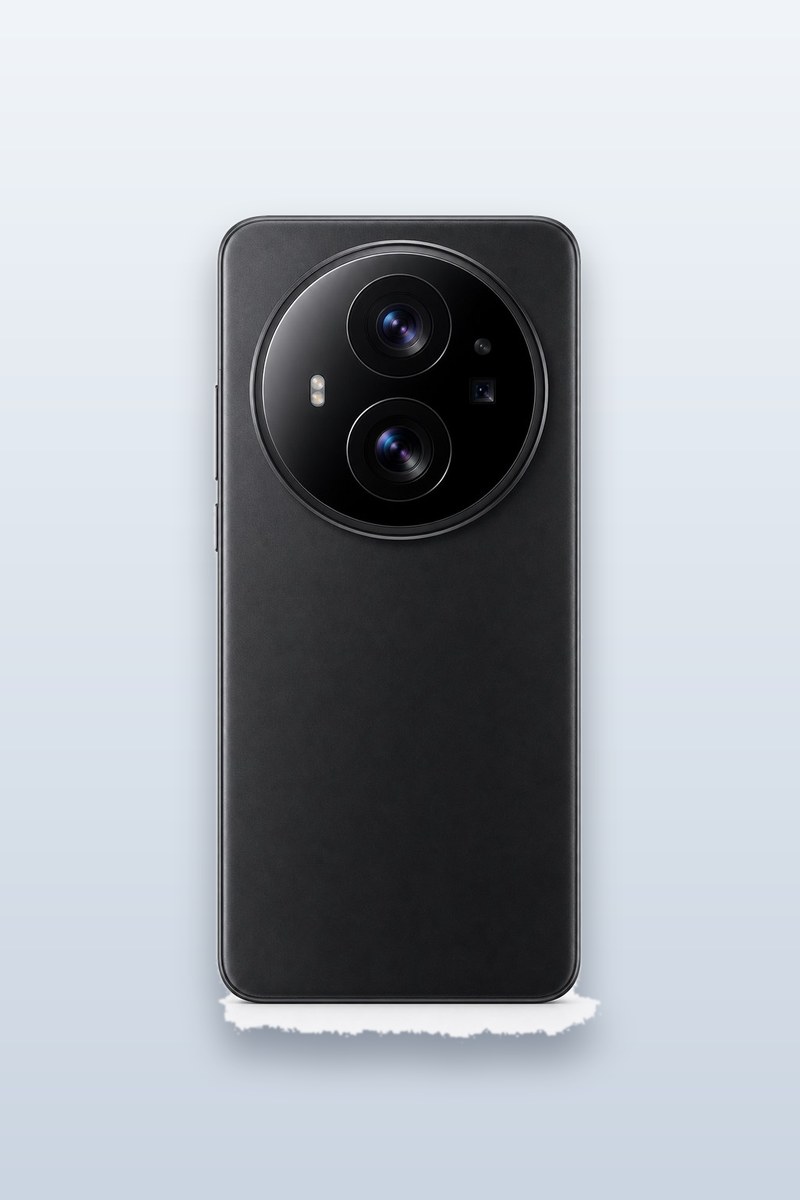
Illustrative images for identification. Not official manufacturer store photos. AllMobileSpecs is not affiliated with Xiaomi.
15 Ultra
$1,099.00
Indicative USD (or converted display amount). Not a sale price and not an offer to buy.
Xiaomi's Leica-tuned camera flagship.
Overview
The Xiaomi 15 Ultra is a camera-first Android flagship: a 6.73-inch LTPO AMOLED at QHD+, the Snapdragon 8 Elite, 16 GB of RAM, and a Leica-branded quad camera stack in which all four rear sensors are 50 MP, including a periscope. Xiaomi pairs that with a 5410 mAh battery and 90 W wired plus 80 W wireless charging — far faster on paper than typical US and European flagships.
The camera array is the reason this phone exists. Four 50 MP sensors is unusual: most rivals pair one high-resolution main camera with lower-resolution support cameras, which means image quality falls off noticeably the moment you switch to ultrawide or zoom. Here the sensors are more evenly matched, so the ultrawide and the telephoto hold up better against the main camera than they do on most phones. That consistency across focal lengths is a more meaningful advantage than any single megapixel figure.
The Leica branding covers colour science and tuning — typically offered as two selectable looks, a neutral one and a higher-contrast one — rather than Leica sensors or Leica-manufactured glass. It is a real collaboration that affects how photos look straight out of the camera. It is not a claim that Leica built the hardware, and it should not be read as one.
Charging is the other headline. 90 W wired is roughly double a Galaxy S25 Ultra and more than triple a Pixel, and 80 W wireless is faster than most phones manage with a cable attached. In practice this changes charging behaviour rather than battery life: a short top-up becomes genuinely useful. The cost is heat, and heat is what ages a lithium cell, so very fast charging every day is not gentler on the battery than slow charging — it is a convenience trade, and worth making knowingly.
HyperOS 2 on Android 15 will feel different from Pixel or Samsung software: denser, more configurable, and more aggressive about background app management by default, which can affect messaging notifications until you adjust it. The other regional complication is the ROM. Chinese-market units ship without Google services; global units include them. An imported Chinese phone is a different software product even when the hardware is identical.
Weight is about 229 g, the heaviest slab phone on this site. If you want a light phone, this is the wrong class entirely. There is no memory card slot, and storage starts at 512 GB in the configurations we list, which at least makes the lack of expansion easier to live with.
Regional variants, charger-in-box rules, and camera firmware all differ by market. We list the hardware announcement we catalogued; always match the exact model number in your country. We do not sell Xiaomi phones, prices are indicative USD, and images are illustrative.
Who it is for
For readers who want the most complete camera system on a phone and are willing to carry a heavy device to get it. The even 50 MP sensor set means you can shoot ultrawide and telephoto without a visible quality drop, which is the single strongest argument for this phone over anything else in our catalog. Fast charging on both cable and pad is a genuine daily convenience, and 512 GB of base storage removes the usual flagship storage anxiety.
Not for people who need the lightest body — 229 g is a lot of phone — or a microSD slot, which this does not have. Not ideal if you are in a country where Xiaomi has no official retail presence, because software builds, band support, and warranty all depend on buying the right regional SKU. And if you dislike heavily customised Android skins, HyperOS will be an adjustment; a Pixel is the opposite end of that spectrum.
How it compares
Against the Galaxy S25 Ultra, the two are the closest match in our catalog: same chipset class, both camera-led, both heavy, similar price. Xiaomi wins decisively on charging — 90 W against 45 W — and on the consistency of its four cameras. Samsung wins on software support commitment, on availability, and on having the S Pen.
Against the Oppo Find X8 Pro, the phones are close relatives in strategy: both camera-first, both with a photography brand partnership, both with fast charging. Oppo has the larger 5910 mAh battery, Xiaomi the faster charging and the higher-resolution display.
Against the Pixel 9 Pro, this is a hardware-versus-software choice. Xiaomi gives you far more camera hardware; Google gives you processing that needs less from you and updates that arrive first.
Specifications
Hardware as typically announced. Blank fields mean we have not entered a figure — we do not invent specs.
| Technology | GSM / HSPA / LTE / 5G |
|---|
| Announced | 2025, February |
|---|---|
| Status | Available |
| Dimensions | 161.3 x 75.3 x 9.4 mm |
|---|---|
| Weight | 229 g |
| SIM | Dual Nano-SIM |
| IP rating | IP68 |
| Colors | Black, White, Silver |
| Type | LTPO AMOLED, 120Hz |
|---|---|
| Size | 6.73 inches |
| Resolution | 1440 x 3200 pixels |
| Protection | Xiaomi Shield Glass 2.0 |
| OS | Android 15, HyperOS 2 |
|---|---|
| Chipset | Qualcomm Snapdragon 8 Elite |
| CPU | Octa-core |
| GPU | Adreno 830 |
| RAM | 16 GB |
|---|---|
| Storage | 512 GB / 1 TB |
| Card slot | No |
| Main | 50 MP (wide, Leica) + 50 MP (periscope) + 50 MP (telephoto) + 50 MP (ultrawide) |
|---|---|
| Selfie | 32 MP |
| Loudspeaker | Yes, stereo speakers |
|---|---|
| 3.5mm jack | No |
| WLAN | Wi-Fi 7 |
|---|---|
| Bluetooth | 5.4 |
| NFC | Yes |
| USB | USB Type-C 3.2 |
| Capacity | 5410 mAh |
|---|---|
| Charging | 90W wired, 80W wireless |
| Sensors | Fingerprint (under display), accelerometer, gyro, compass |
|---|